The Ministry of National Defense (MSB) said the Turkish Navy will take part in multiple international exercises after assuming command roles within NATO’s Allied Response Force (NRF).
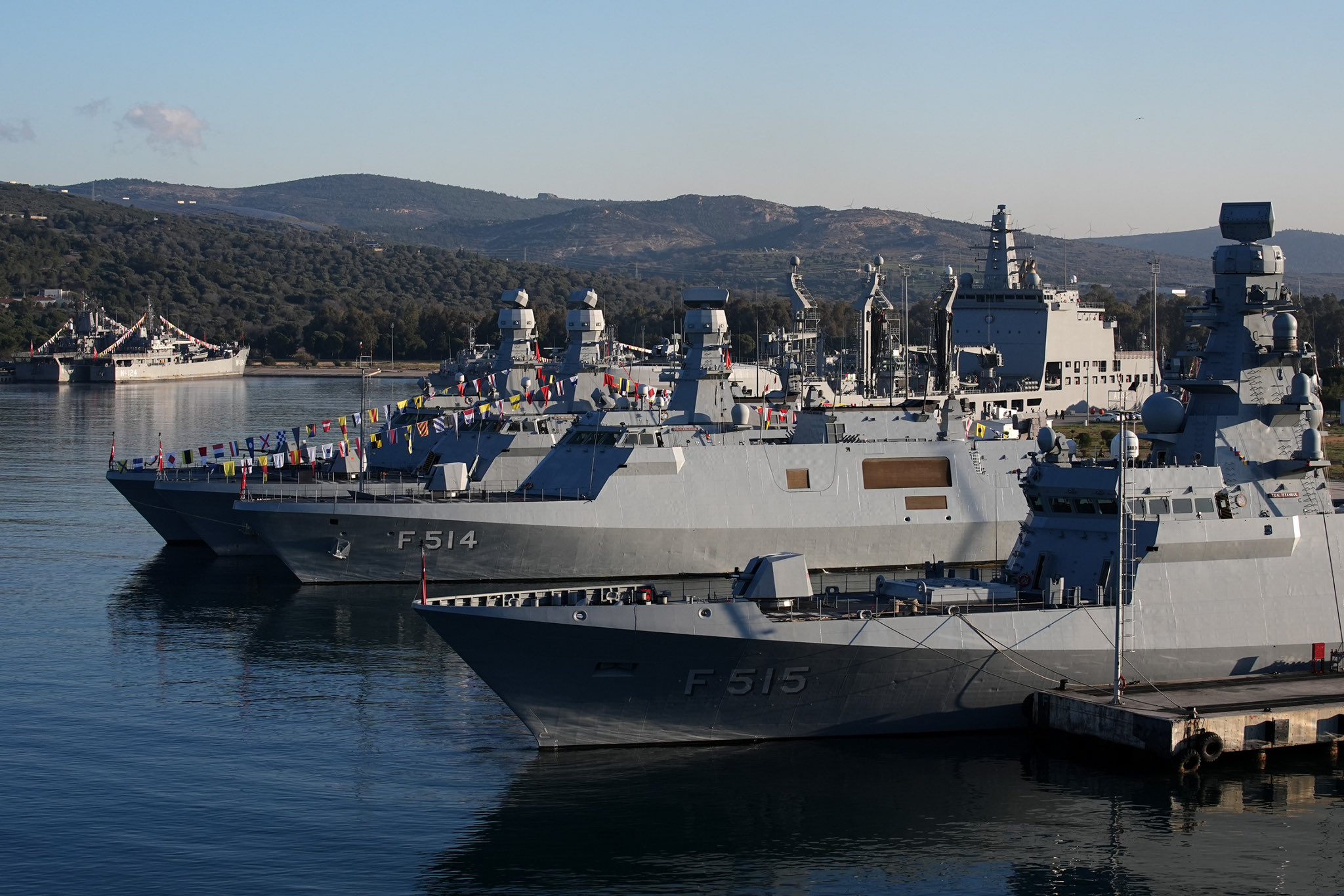
According to the ministry, the Turkish Navy will serve as Commander Amphibious Task Force (CATF) and Commander Landing Force (CLF) from July 1, 2025, to June 30, 2026. As part of these duties, the Anadolu Turkish Naval Task Force, together with CATF and CLF headquarters elements, will operate with the amphibious assault ship TCG Anadolu and support vessels TCG Derya, TCG Istanbul, and TCG Kınalıada.
Operations are scheduled to take place between January 20 and April 23, 2026, across a broad maritime area including the Mediterranean Sea, Bay of Biscay, English Channel, North Sea, Baltic Sea, and Adriatic Sea.
During this period, Turkish naval forces will participate in the following multinational activities:
- STEADFAST DART-2026
- NORTHERN QUADRIGA-2026
- DYNAMIC MARINER / COLD RESPONSE / JOINT WARRIOR-2026
- NEPTUNE STRIKE 26.1, NATO’s Enhanced Readiness Activity
Turkey will also provide support to NATO’s ongoing Sea Guardian, Brilliant Shield, and Noble Shield operations, which aim to strengthen maritime security and maintain the alliance’s continuous naval presence.
The ministry said these missions are designed to enhance joint and multinational operational capabilities, enable rapid force deployment, improve interoperability in high-intensity conflict scenarios, and safeguard critical maritime lines of communication. Officials described Turkey’s assumption of the CATF and CLF commands as a significant contribution to NATO’s collective deterrence and defense posture.
CATF and CLF Roles Explained
The CATF is responsible for commanding the maritime dimension of amphibious operations, including the coordination of landing ships, escort vessels, naval fire support, maritime transport, and sea-air integration. The command typically operates from an amphibious assault ship or designated flagship to ensure unity of command among multinational naval forces.
The CLF oversees the land phase of amphibious operations, directing the landing of forces ashore, establishment of beachheads, and the transition to sustained ground operations. It controls infantry, armored units, artillery, and logistics elements, assuming command of land forces once the amphibious landing is completed.
Operating under NATO doctrine, CATF and CLF headquarters work in close coordination to provide the alliance with a flexible and rapidly deployable amphibious capability for crisis response, deterrence missions, evacuations, and high-intensity conflict scenarios.