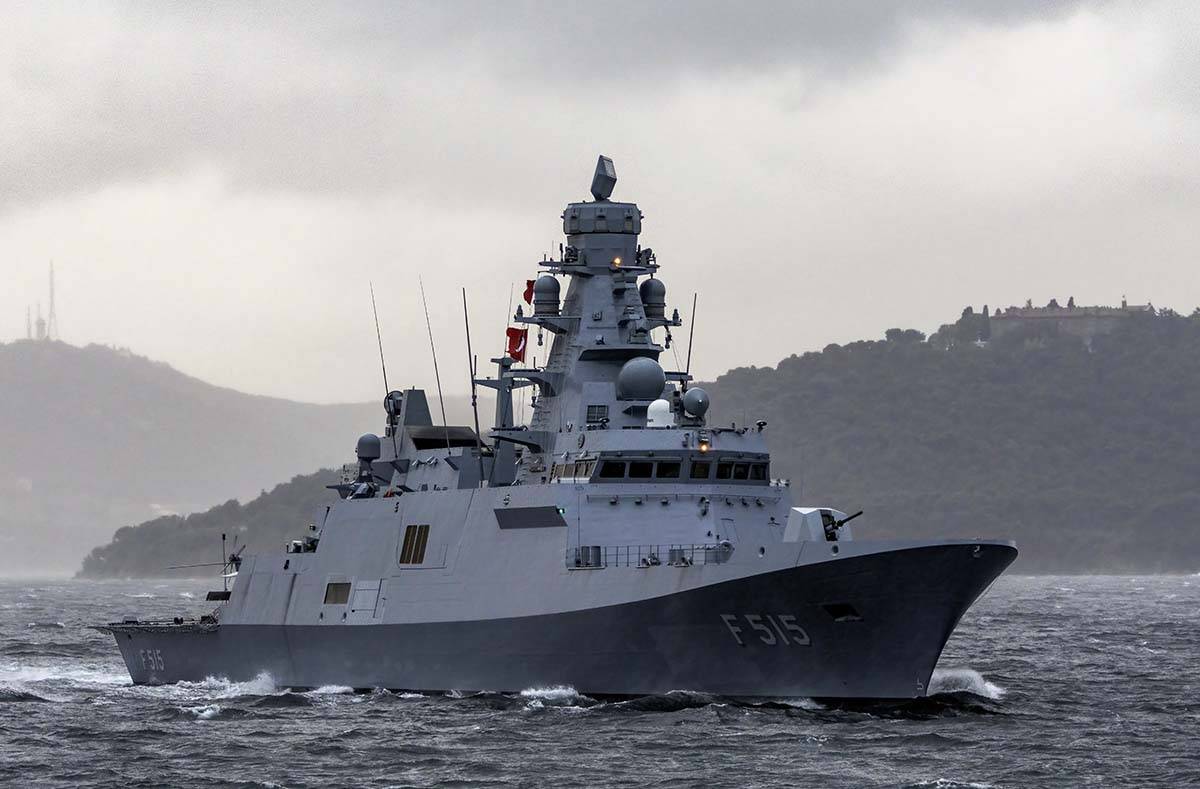
The Ministry of National Defense (MSB) denied claims that Turkey had signed a “final and definitive agreement” to sell ISTIF-class frigates to Qatar, stating that the document signed was only a non-binding Memorandum of Understanding (MoU).
The ministry said the MoU does not include binding provisions on construction timelines or delivery schedules, contradicting media reports that described the deal as finalized.
Shipbuilding Strategy Prioritizes Turkish Navy
In a statement issued after its weekly press briefing, the MSB said the Turkish Armed Forces (TSK) continue to monitor global and regional developments closely and plan procurement activities in line with defense and security requirements.
Shipbuilding activities, the ministry said, are conducted under a strategy that prioritizes the operational needs of the Naval Forces Command. Planning is carried out in coordination with the Presidency of Defense Industries (SSB) to strengthen domestic shipbuilding infrastructure while also evaluating export opportunities.
The ministry added that 39 naval platforms are currently under construction in Turkish shipyards, underscoring Ankara’s commitment to expanding its naval capabilities through domestically produced systems.
MoU Signed at DIMDEX 2026
The MoU covering the potential construction of two ISTIF-class (I-class) frigates was signed between TAIS Shipyards and Barzan Holdings during DIMDEX 2026 in Qatar.
However, the MSB stressed that the document is not a finalized sales contract and does not contain binding terms related to production or delivery.
As such, reports suggesting that a definitive agreement had been reached or that delivery dates had been set “do not reflect reality,” the ministry said.
TCG İzmir and TCG İçel Allegations Rejected
Some defense media outlets claimed that TCG İzmir and TCG İçel — vessels planned for the Turkish Navy — could be removed from the construction schedule and redirected to third countries with Qatari financing.
The MSB rejected those claims, reiterating that shipbuilding plans prioritize the Turkish Navy’s requirements and that no delays or disruptions are under consideration.
Ministry Urges Reliance on Official Statements
The ministry advised the public not to rely on unverified reports or commentary outside official channels.
It reaffirmed that Turkey’s security, sovereignty, and maritime rights are being safeguarded in line with military requirements, national interests, and long-term strategic objectives.