Dutch Chief of Defence General Onno Eichelsheim paid an official visit to Türkiye ahead of the NATO Summit set for Ankara on July 7–8. Eichelsheim said that as the United States withdraws some of its capabilities from Europe, the alliance will rely more on Türkiye, and that the country’s role within NATO will grow further.
Chief of the General Staff General Selçuk Bayraktaroğlu welcomed Eichelsheim, his official guest, with a formal ceremony at the General Staff Headquarters. After the national anthems of both countries were played, Eichelsheim saluted the Honour Guard.
During the meeting between the two chiefs of staff, the two sides discussed how to develop cooperation in the defence sector. Eichelsheim said his bilateral meetings in Ankara had been productive and that the two countries aim to increase the number of joint exercises, expand the exchange of lessons learned from Ukraine, prepare their armed forces for future conflicts, and raise interoperability by drawing on each other’s defence academies.
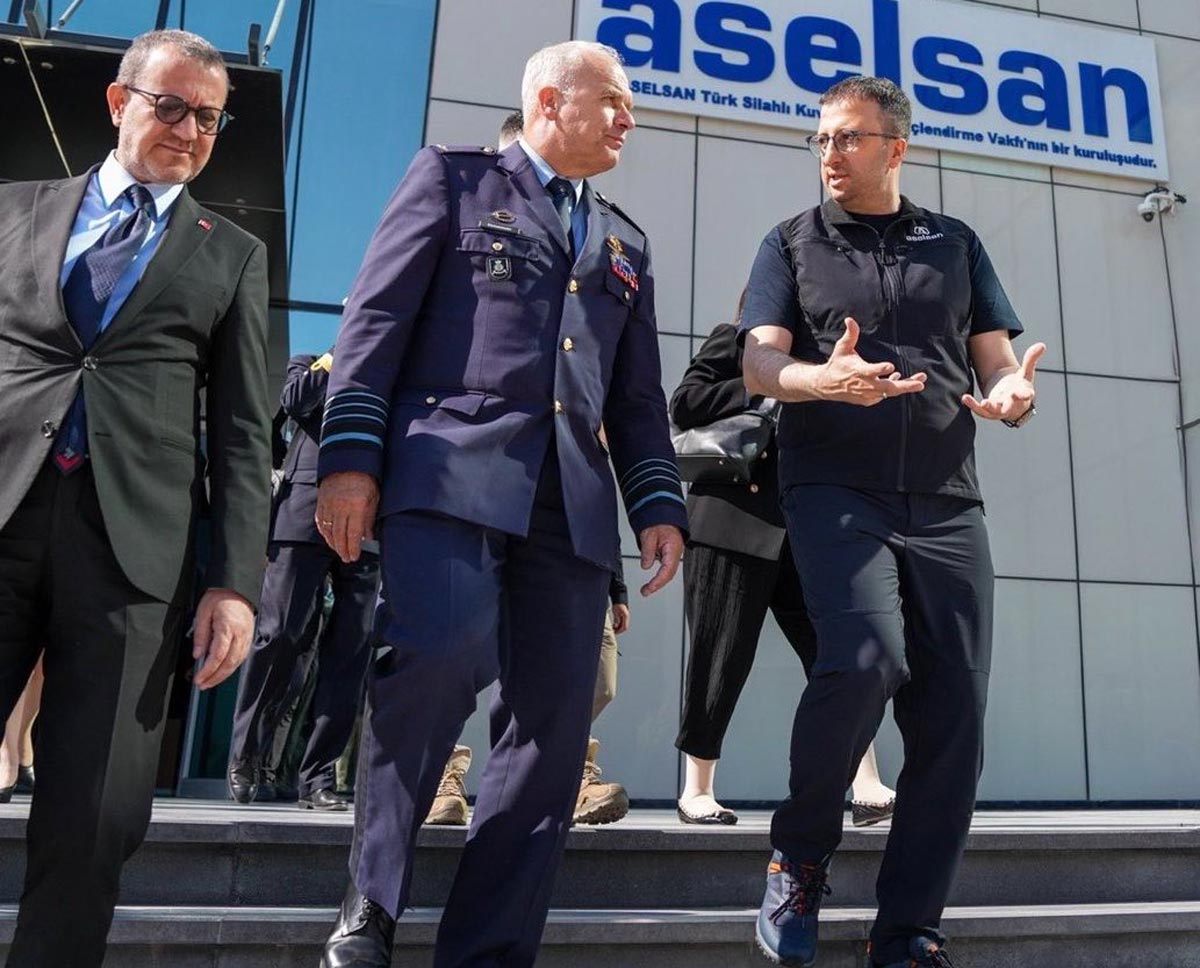
Visit to ASELSAN
As part of his official visit, Eichelsheim also visited ASELSAN, one of the largest companies in the Turkish defence industry. During the meeting, hosted by ASELSAN General Manager Ahmet Akyol, the two sides discussed modern warfare technologies and opportunities for cooperation in the defence sector.
Eichelsheim said he was impressed by the capabilities of the organisations he visited and that he saw room for cooperation in the field.
“Türkiye’s role will grow”
Assessing the upcoming summit, Eichelsheim said European countries need to take on greater military responsibilities as the United States reduces some of its conventional capabilities on the continent.
“As the U.S. withdraws some of its capabilities, we will also need Türkiye to fill these gaps,” Eichelsheim said. “For this reason, Türkiye’s role within NATO will grow even further.”
Why the visit matters
The visit points to a shift in the balance of responsibilities within NATO rather than a simple courtesy call. Hosting the summit in Ankara, together with the expectation that the alliance’s European members will plan around a gradual reduction in the U.S. military presence, puts Türkiye closer to the centre of the discussion.
Two factors underlie Türkiye’s position: its geography and its expanding domestic defence industry. As home to the alliance’s second-largest army, Türkiye is one of the few members with the mass to help cover capabilities the U.S. may pull back. Including an ASELSAN stop on Eichelsheim’s itinerary suggests the Netherlands’ interest goes beyond statements and into supply and cooperation.
The economic dimension also matters. The defence-spending commitments adopted at the Hague Summit are pushing European allies to spend more and to spend efficiently. Procurement plans increasingly pair high-end systems with cheaper options such as light unmanned aerial vehicles and low-cost defensive systems. Because the Turkish defence industry supplies both, the trend opens a market for Ankara.
That outlook comes with caveats. Political tensions between Türkiye and some NATO members, bureaucratic hurdles to defence cooperation, and questions of trust within the alliance have not gone away. Eichelsheim’s remarks point to Türkiye’s growing weight, but whether that translates into firm agreements will depend on the summit and the steps that follow.