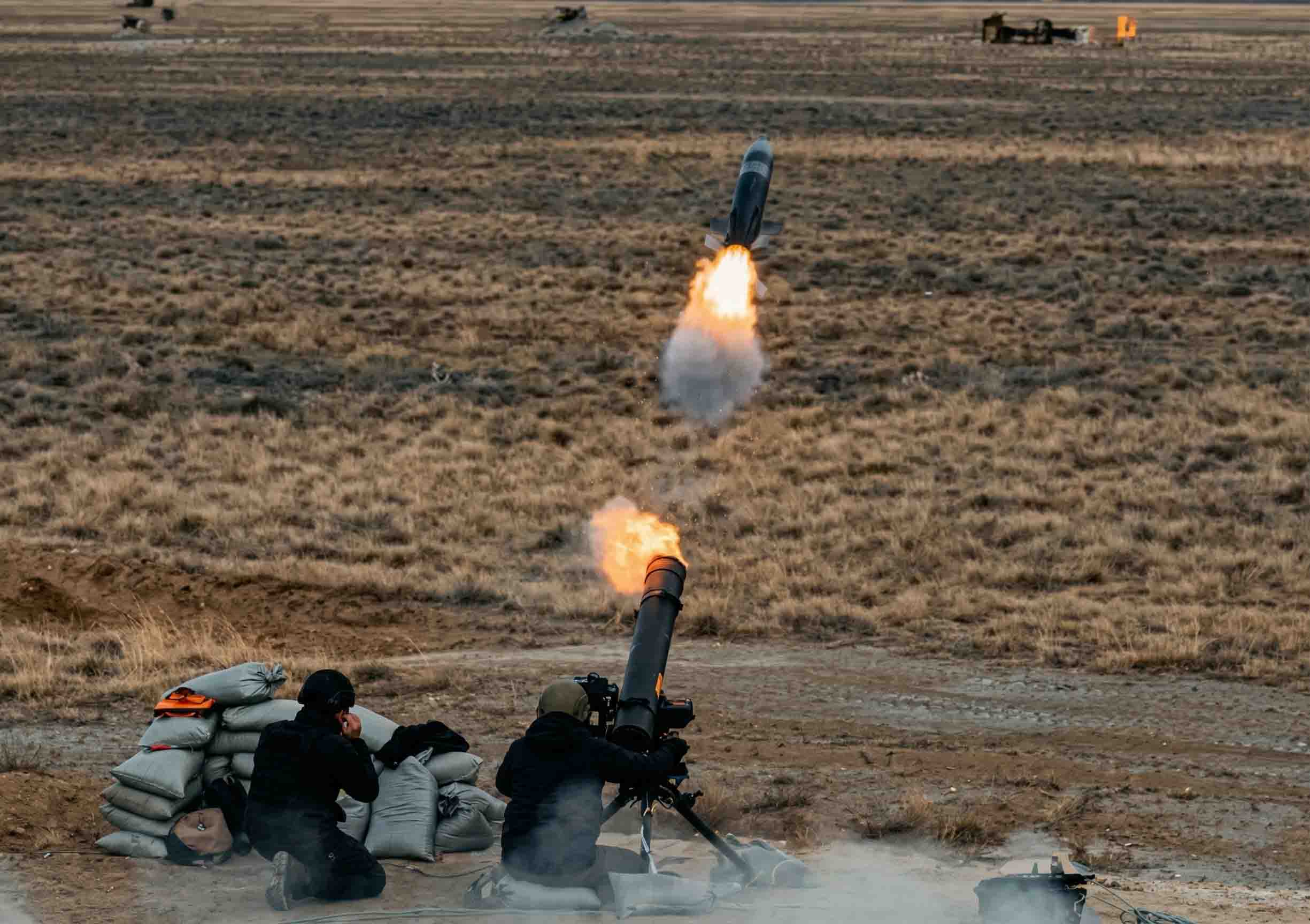
ROKETSAN said it is continuing full-scale production of its L-OMTAS anti-tank missile following successful test firings, marking a key step in Turkey’s effort to strengthen cost-effective anti-armor capabilities.
The L-OMTAS missile was first unveiled at SAHA EXPO 2024.
In a statement, the company said the system features high-precision laser guidance and an armor-piercing tandem warhead, providing an effective solution against armored threats and enhancing battlefield effectiveness.
ROKETSAN added that serial production is actively underway, with the system designed to address a critical gap in Turkiye’s anti-tank arsenal.
Shift Toward Cost-Effective Anti-Tank Solutions
The introduction of L-OMTAS into production signals a broader shift toward laser-guided, cost-efficient systems within Turkiye’s anti-tank missile family.
The missile complements existing systems, creating a multi-layered anti-tank structure:
- KARAOK: Lightweight, shoulder-fired, short-range “hit-and-run” system
- OMTAS: IIR-guided, high-precision medium-range missile
- L-OMTAS: Longer-range, lower-cost laser-guided solution
This layered approach enables operational flexibility across different combat scenarios.
Lower Cost, Sustained Firepower
A key advantage of L-OMTAS is its lower unit cost compared to IIR-guided systems, allowing for higher production volumes.
This makes the missile particularly suited for:
- Prolonged operations
- High-intensity engagements
- Scenarios requiring large-scale ammunition use
The system offers a cost-effective way to counter heavily armored targets.
Integration With Armored Platforms
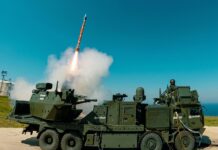
L-OMTAS is integrated into ground platforms, including:
- KAPLAN-10 armored vehicle
- PARS 4×4 STA anti-tank vehicle
These platforms enable:
- Engagement ranges of up to 5.5 km
- “Hit-and-run” tactics
- High mobility in difficult terrain
- Rapid response against armored threats
ROKETSAN’s YALMAN weapon system further enhances capability by enabling:
- Multi-munition deployment
- Electro-optical laser designation
- Firing from behind cover
UAV Integration Enables Network-Centric Warfare
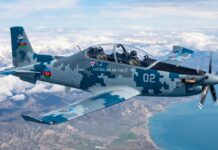
One of L-OMTAS’s most significant advantages is its integration with UAVs.
In this concept:
- A UAV laser-designates the target
- Ground units fire without direct line of sight
- The missile tracks the laser reflection to strike the target
This capability reflects the growing role of network-centric warfare in modern military doctrine.
Operational Impact
The integration provides several battlefield advantages:
- Ground units can engage targets without exposing their position
- UAV ammunition consumption is reduced
- Armored enemy units can be suppressed at lower cost
According to defense analysts, L-OMTAS is positioned to serve as a “cost-effective hunter” in UAV-supported operations.